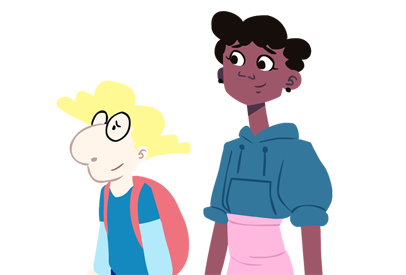

This video explores the issue of relationships particularly between older men and girls that are sexual and transactional, often referred to as “blesser-blessee” relationships in parts of South Africa. The video features two sisters discussing the younger sister’s friend, who has recently taken up a relationship with a much older man who has been providing her with gifts. In trying to understand why her friend has gotten involved with the older man, the sisters discuss how this can happen, some of the personal and health risks that girls can face in the relationship, such as risk of pregnancy, STIs, lower self-esteem, and violence, and the importance of talking to a trusted adult if someone is feeling pressured to become a “blessee.” [ISS-001]

This video explores the issue of intergenerational, transactional sexual relationships, particularly between older men and girls. The video tells the story of two friends, Anabel and Eve, who decide to take up relationships with much older men. Despite being offered an appealing lifestyle and many gifts, Anabel realizes that her relationship does not feel right and opens up about it to her cousin, Christine. Christine helps her understand some of the personal and health risks that girls can face in the relationship, such as the risk of pregnancy, STIs, lower self-esteem, and violence, and the importance of talking to a trusted adult if someone is feeling pressured to enter into a relationship with an older man.
This video tells the story of a family that over time has come to question the practice of female genital mutilation/cutting. They have decided against their youngest daughter, Ola, being cut. Ola’s parents do not want her to be cut yet her aunties are pressuring them to go forward with the ceremony. Ola’s mother shares how her first-born daughter suffered a lot of bleeding and trauma when she was cut, describes her own complications during childbirth, and other harmful consequences of female genital cutting/mutilation. The video concludes with a community meeting revealing that others are also growing increasingly concerned about the practice and ends with a call to end female genital mutilation/cutting.
This video explains how drinking alcohol can affect decisions and lead to risk-taking behavior that can impact sexual health and well-being. While not drinking is the best way to avoid such risks, the video also addresses steps that young people can take to reduce the effect of alcohol if they do decide to drink.

In this video, we follow the journey of a young girl grappling with the heavy burden of past sexual abuse by someone she trusted, highlighting the importance of open communication and finding support. If you or someone you know is dealing with similar pain, please know, You are not alone.
There are people who care deeply and resources available to help you. You can reach out to a trusted friend, counsellor, or if you are in Ghana, call the Yenkasa Contact Centre hotline, on 0800202010 or WhatsApp on +233 245 118 228.
Together, let’s break the silence and support one another.