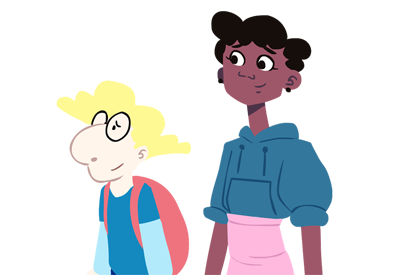

Cette vidéo explique aux jeunes comment prendre soin de leur corps pendant la puberté, une période où les hormones changent rapidement, ce qui entraîne de nouveaux changements physiques tels que les odeurs corporelles, l’acné et la croissance des cheveux. [AMZ-100]
Developed in collaboration with the Ministry of Health and Childcare, Zimbabwe, this video provides information on integrated HIV testing services for adolescents, including information on HIV testing, HIV prevention, counseling, treatment, and support. It also covers what questions, information and services adolescents can expect upon testing negative or testing positive for HIV as well as additional types of support and services that are available to them. [ISS-015]
Ðewohĩ èse nya siwo nye “ɖetugbui leaƒe” alo “ɖetugbui leaƒe nyenye” kpɔ. Gake nuka tututue nya siawo fia? Kpɔ video bliboa be nànya nu geɖe! [AMZ-063-IZA]
Il existe toutes sortes de rêves et, à la puberté, il se peut que tu fasses un rêve humide. Ils peuvent se produire souvent ou pas du tout, et c’est tout à fait normal. Regarde pour en savoir plus ! [AMZ-043]

The internet can be an amazing place to explore, but it’s also good to practice online safety. Some tips include being careful about sharing personal information, reporting anyone who makes you feel uncomfortable online, and getting familiar with privacy settings. For more, check out the video!

This video explores the issue of relationships particularly between older men and girls that are sexual and transactional, often referred to as “blesser-blessee” relationships in parts of South Africa. The video features two sisters discussing the younger sister’s friend, who has recently taken up a relationship with a much older man who has been providing her with gifts. In trying to understand why her friend has gotten involved with the older man, the sisters discuss how this can happen, some of the personal and health risks that girls can face in the relationship, such as risk of pregnancy, STIs, lower self-esteem, and violence, and the importance of talking to a trusted adult if someone is feeling pressured to become a “blessee.” [ISS-001]

Cinee ŋɔ puuni ti di la alizama zaŋ kpa HIV, ka di Gbunni zanmi n-ti Human immunodeficiency Virus. HIV nyɛla dɔri bin birili shɛli din ni tooi lebigi Acquired Immune deficiency Syndrome (AIDS). HIV ni tooi gbaai sokam, di yi niŋ ka bɛ bi gu bɛ maŋa ka che dɔri binbirili maa.
Paɣa mini doo laɣimbu ka bi suri yosurigu bee n-zaŋ shɛr’ shɛli din pun chibi ŋun mali li n-chibi shɛba n-nyɛ din tooi wuligiri HIV. So’ shɛli ti ni tooi nini zaŋ baŋ ni so mali HIV nyɛmi ni, ti niŋ HIV zahimbu maa.
Yuli mi Sinee ŋɔ ka bɔhim a ni ni tooi gu ka taɣi a maŋ shem ka chɛ HIV dɔri binbirili ŋɔ. [AMZ-027]

Cette vidéo offre des conseils pratiques sur la contraception pour une sexualité plus sûre et une prévention efficace des grossesses non désirées. [AMZ-114-fr]
Dans cette vidéo éducative, nous expliquons de manière simple et adaptée d’où viennent les bébés. Découvrez le processus de la conception, de la grossesse à la naissance, avec des explications claires sur le rôle des parents et le développement du bébé. Une ressource idéale pour répondre aux questions des plus jeunes. [AMZ-0220fr]
In this video, we follow the journey of a young girl grappling with the heavy burden of past sexual abuse by someone she trusted, highlighting the importance of open communication and finding support. If you or someone you know is dealing with similar pain, please know, You are not alone.
There are people who care deeply and resources available to help you. You can reach out to a trusted friend, counsellor, or if you are in Ghana, call the Yenkasa Contact Centre hotline, on 0800202010 or WhatsApp on +233 245 118 228.
Together, let’s break the silence and support one another.
This video on disability and sexuality states that people with disabilities have the same sexual and romantic feelings as anyone else, including a range of sexual orientations. It also reinforces the idea that people with disabilities want the same healthy relationships as anyone else, and they often have similar questions about relationships and their bodies. The video also goes over issues that people with disabilities are more likely to face, like overprotective parents, friends misunderstanding their disability, and trouble expressing feelings and consent verbally. [AMZ-079 IZA]
Online and in the media youth are constantly exposed to messaging that promotes the notion that bigger breasts mean better breasts, or that they make a person more attractive. This video sets out to debunk those messages. Breast size is a trait or feature that a person inherits from their parents, and breasts, just like our other body parts, come in lots of different shapes and sizes.
Online and in the media youth are constantly exposed to messaging that promotes the notion that bigger breasts mean better breasts, or that they make a person more attractive. This video sets out to debunk those messages. Breast size is a trait or feature that a person inherits from their parents, and breasts, just like our other body parts, come in lots of different shapes and sizes.
Cette vidéo présente les différentes méthodes de contraception à court terme. Elle décrit les préservatifs et explique où les obtenir, qu’il n’y a pas de restriction d’âge ni de prescription nécessaire et que les préservatifs sont la seule forme de contraception qui réduit également le risque d’ infections sexuellement transmissibles (IST). La vidéo explique également comment utiliser un préservatif et qu’il ne faut utiliser qu’un seul préservatif par rapport à un acte sexuel. La vidéo définit la “pilule” et explique que vous pouvez obtenir la pilule sur ordonnance de votre prestataire de soins ou d’un centre de planning familial, et que vous devez la prendre à la même heure chaque jour pour éviter une grossesse. Elle définit également le “patch” et explique que vous pouvez l’obtenir sur ordonnance et que vous devez le changer une fois par semaine. Enfin, la vidéo souligne que vous devez utiliser un préservatif et une autre forme de contraception pour prévenir efficacement la grossesse [AMZ-020]

This video tells the story of a family that over time has come to question the practice of female genital mutilation/cutting. They have decided against their youngest daughter, Ola, being cut. Ola’s parents do not want her to be cut yet her aunties are pressuring them to go forward with the ceremony. Ola’s mother shares how her first-born daughter suffered a lot of bleeding and trauma when she was cut, describes her own complications during childbirth, and other harmful consequences of female genital cutting/mutilation. The video concludes with a community meeting revealing that others are also growing increasingly concerned about the practice and ends with a call to end female genital mutilation/cutting.
Nɔnɔme tata sia tsɔ nuxlɔ̃ame si ʋãa ame ɖe gbɔdɔdɔ ƒe amedzidzedze kple asitsatsa ŋuti nyatakaka veviwo ŋu. Videoa lɔ̃ ɖe edzi be nyatakakaawo ate ŋu adze abe ɖe wogbɔ eme eye wo ŋudɔwɔwɔ sesẽ ene, gake ele vevie be nàɖo ŋku edzi be esia ate ŋu adzɔ ɖe ame aɖe si nènya dzi eye wò susu nanɔ kpekpeɖeŋu nana amesiwo tsi agbe ŋu. Elɔ amewo tsɔtsɔ sa vɔe hena gbɔdɔdɔ ƒe amedzidzedze kple dzadzraɖo ƒe gɔmesese, kpakple alesi asitsalawo ate ŋu ada alakpa, atrɔ asi le wo ŋu ahado ŋɔdzi na amesiwo ŋu wowɔ nuvevii ƒe kpɔɖeŋuwo ɖe eme. Videoa te gbe ɖe edzi be gbɔdɔdɔ ƒe asitsatsa nye sedzidada ɣesiaɣi eye menye amesi ŋu wowɔ nuvevii la ƒe vodada gbeɖe o, eye be ate ŋu abɔ wu alesi nèsusui. Edea dzi ƒo na sɔhɛwo be woade dzesi ame tsitsi siwo dzi woka ɖo be woaƒo nu kpli wo ne nɔnɔme aɖe do mo ɖa le woƒe agbe me, eye woalé ŋku ɖe abi siwo gɔmesese mele o, sukumademade, ame ɖokui ɖeɖe ɖe aga alo ɖeɖiteameŋu ƒe seselelãme ŋu. Amewo ateŋu aɖe dzesi siawo afia le susu bubuwo ta eye ame ɖekaɖekawo ƒe nuwɔna ɖe ʋuwo ƒe zɔzɔ ŋu to vovo – bia amewo nenye be edzɔ. [AMZ-074]
Living with HIV today is medically manageable, but the shame, fear, and internalized stigma can still be overwhelming. In this video, we unpack what HIV self-stigma looks like and how we can reclaim identity, confidence, and power beyond an HIV diagnosis. You are more than your status. [AMZ-193-enGH]
This video follows the story of ‘Newbie’ in their journey of learning how birth control pills work. The video takes places inside the uterus, as ‘Newbie’ gets a tour of the reproductive system and how it is affected by birth control pills. The video also dispels some common myths about birth control.
Once you start to go through puberty, it’s possible to get pregnant or get someone pregnant, which is why it’s important to be familiar with different ways to prevent pregnancy. When people use birth control, or contraception, they use a medicine, medical device or barrier like a condom to keep a sperm and an egg from uniting. Some birth control, like the Pill, the Patch and the Shot, are medicines that keep the ovary from releasing an egg or ovum. Other birth control methods help create a barrier at the opening of the cervix to keep sperm from getting inside the uterus to find an egg. Abstinence, or choosing to not have or delay having sex, is the most effective form of birth control.
Condoms are effective at preventing STIs if used correctly. In addition to condoms, here are other ways you can protect yourself from STIs.

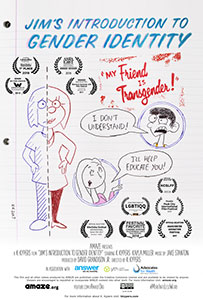
Il existe une variété d’identités de genre auxquelles une personne peut s’identifier, qui peuvent être les mêmes ou différentes du sexe attribué à la naissance.
Sexe attribué à la naissance
Le sexe attribué à la naissance est l’étiquette (garçon, fille ou intersexe) que les médecins donnent à un bébé lorsqu’il naît, en fonction de ses parties du corps.
Identité de genre C’est le ressenti interne qu’une personne a de son genre. Cela peut inclure :
- Cisgenre
- Non-binaire
- Transgenre
- Genre fluide
[AMZ-085-fr]
Cette vidéo définit la masturbation et souligne qu’elle est normale si on la pratique, normale si on ne la pratique pas, et qu’elle doit toujours être pratiquée en privé. Elle réfute également les mythes sur la masturbation et suggère que si la masturbation a un impact sur la routine quotidienne, les jeunes devraient en parler à un adulte de confiance. La vidéo affirme que la masturbation est un moyen normal et sûr de soulager des sentiments sexuels. [AMZ-010]
Vous avez peut-être déjà entendu les mots “vierge” ou “virginité”. Mais que signifient exactement ces mots ? Regarde la vidéo complète pour en savoir plus ! [AMZ-063-IZA]
Il est très important de demander et de donner son consentement pour tout comportement. Vous avez le droit de dire “non” à tout comportement que vous ne souhaitez pas adopter, à tout moment et pour quelque raison que ce soit, et votre partenaire doit respecter votre décision. [AMZ-081]
Cette vidéo présente les différentes méthodes de contraception à court terme. Elle décrit les préservatifs et explique où les obtenir, qu’il n’y a pas de restriction d’âge ni de prescription nécessaire et que les préservatifs sont la seule forme de contraception qui réduit également le risque d’infections sexuellement transmissibles (IST). La vidéo explique également comment utiliser un préservatif et qu’il ne faut utiliser qu’un seul préservatif par rapport à un acte sexuel. La vidéo définit la “pilule” et explique que vous pouvez obtenir la pilule sur ordonnance de votre prestataire de soins ou d’un centre de planning familial, et que vous devez la prendre à la même heure chaque jour pour éviter une grossesse. Elle définit également le “patch” et explique que vous pouvez l’obtenir sur ordonnance et que vous devez le changer une fois par semaine. Enfin, la vidéo souligne que vous devez utiliser un préservatif et une autre forme de contraception pour prévenir efficacement la grossesse. [AMZ-020]
Les contraceptifs, ces alliés méconnus, jouent un rôle clé dans la planification familiale et la santé reproductive. Découvrez dans cette vidéo les différents types de contraceptifs, leur fonctionnement et comment choisir celui qui convient le mieux à vos besoins. Protégez votre avenir en toute confiance ! [AMZ-107-fr]
Cette vidéo définit la masturbation et souligne que les personnes de tous les sexes se masturbent. Elle souligne le caractère normal de la masturbation en tant que moyen physiquement sûr d’exprimer ses sentiments sexuels. La vidéo réfute également les mythes sur les effets négatifs de la masturbation et suggère que si la masturbation a un impact sur la routine quotidienne normale, les jeunes devraient en parler à un adulte de confiance. [AMZ-086]
Dans cette vidéo, nous abordons la masturbation, un sujet souvent entouré de tabous. Est-ce une pratique normale ? Découvrez les aspects scientifiques, psychologiques et sociaux pour mieux comprendre cette forme d’exploration personnelle. Informons-nous pour briser les mythes et encourager une approche saine du corps. [AMZ-010-fr]
Nɔnɔme tata sia ɖe asi lili ame ƒe ame wɔnu ŋti gɔme, ke ɖo kpe dzi be ele eteƒe ne enye be wo wɔ ŋtidɔ, ele eteƒe ne nye be wo me wɔ eŋtidɔ o eye wóle be woa wɔ ŋtidɔ yesiayi le adzame.
Egbe nu hã le blemanyawo kude masturbation ŋu je ɖo susu ɖa be ne nye be asi lili ame ƒe amewɔnu ŋti alo masturbation ɖo emetsonu ɖe gbesiagbe gbenɔnɔ dzi la, anyo be sɔhɛ wo woa ƒonu na ametiti aɖe si dzi wo kaɖe.
Nɔnɔme tata la gblɔɛ be asi lili ame ƒe amewɔnu ŋti la nye mɔnu vavã si le eteƒe be woa ɖe gbɔdɔdɔ sese le lãme wo dzi kpɔtɔ. [AMZ-010]
If you’re between the ages of 9 and 14, you’ve probably started to experience puberty, or the changes that happen when your body changes from a child to a young adult. Then again, you may not have. Either way, don’t worry. Puberty in girls can start as early as age 8 and as late as 13 or 14, but eventually everyone goes through it.
Beginning menstruation, often called getting your period, is a normal part of going through puberty for girls. Your period happens around once a month because changes from puberty signal your brain to release new chemicals, called hormones, into your body. During this time, your uterus starts creating a thick, lush layer of blood and nutrients inside in case you have sex and a fetus (or baby-to-be) starts to grow in there. If there is no pregnancy, the uterus pushes out the layer of nutrients, called the endometrium, which comes out of the vagina as your period. Your body then begins to create a new layer with a fresh lining and it starts over again.
It’s normal to feel nervous or anxious about getting your period. It can help to talk with an adult that you trust about what to expect and to carry some feminine hygiene supplies (like a pad or tampon) with you just in case.
Let’s talk about menstruation and premenstrual syndrome (PMS). In this video, we dive into the facts about periods, what causes premenstrual syndrome (PMS), and how you can manage symptoms like cramps, mood swings, and fatigue. Understanding your menstrual cycle is key to feeling empowered about your body. Whether you’re just learning or want to support someone who experiences PMS, this video has you covered! #PeriodTalk
Nɔnɔme tata sia ɖe mɔnu vovovo siwo wozãna tsɔ xea mɔ na fufɔfɔ ɣeyiɣi kpui aɖe la fia. Eƒo nu tso kɔndɔm ŋu eye wòɖe afisi woakpɔe le me, be ƒexɔxɔ alo atikewɔmɔnu aɖeke mehiã o, eye be kɔndɔm koe nye mɔxexeɖefufɔfɔnu ƒomevi aɖe si ɖea gbɔdɔdɔ ƒe dɔlékuiwo (STI) ƒe afɔkua hã dzi kpɔtɔna. Videoa ɖe alesi woazã kɔndɔm hã me eye be kɔndɔm ɖeka koe wòle be ame nazã le gbɔdɔdɔ ƒe nuwɔna aɖe gome. Videoa ɖe “atikekui la” gɔme eye wòɖe eme be àte ŋu axɔ atikekui la kple atikewɔmɔnu si woŋlɔ na wò tso wò lãmesẽdɔwɔla alo ƒomeɖoɖowɔha gbɔ, eye be ele be nànoe le ɣeyiɣi ɖeka me gbesiagbe be nàƒo asa na fufɔfɔ. Eɖea “patch” hã gɔme eye wòɖea eme be àte ŋu axɔe kple atikewɔmɔnu eye be ele be nàtrɔe zi ɖeka le kwasiɖa me. Mlɔeba la, videoa te gbe ɖe edzi be ele be nàzã kɔndɔm kple mɔxexeɖefufɔfɔnu ƒomevi bubu aɖe be nàxe mɔ ɖe fufɔfɔ nu nyuie. [AMZ-020]
Cette vidéo comporte un avertissement de déclenchement pour le contenu sensible de l’exploitation et de la traite sexuelles. La vidéo reconnaît que l’information peut sembler écrasante et difficile à traiter, mais il est important de se rappeler que cela pourrait arriver à quelqu’un que vous connaissez et de se concentrer sur le soutien aux survivants. Elle comprend une définition de la traite des êtres humains à des fins d’exploitation sexuelle et du conditionnement, ainsi que des exemples de la façon dont les trafiquants peuvent mentir, manipuler et menacer les victimes. La vidéo insiste sur le fait que la traite sexuelle est toujours illégale et n’est jamais la faute de la victime, et qu’elle est peut-être plus fréquente que vous ne le pensez. Elle encourage les jeunes à identifier des adultes de confiance à qui parler si une situation se présente dans leur vie, et à être attentifs aux blessures qui n’ont pas de sens, aux absences à l’école, à l’isolement ou à l’impression de fatigue. Les gens peuvent montrer ces signes pour d’autres raisons et les réactions individuelles au trafic sont différentes – vérifiez avec les gens au cas où. [AMZ-074]
Cette vidéo sensibilise sur les mutilations génitales féminines (MGF), une pratique dangereuse qui affecte des millions de filles dans le monde. Apprenez-en plus sur les conséquences physiques et psychologiques de l’excision, ainsi que sur les efforts pour protéger les droits des filles et des femmes. Ensemble, mettons fin à cette violence. [AMZ-008-fr]
Parler de préservatif peut parfois être délicat, mais c’est essentiel pour une sexualité responsable et sans risque. Dans cette vidéo, apprenez des astuces pour aborder la discussion avec votre partenaire et garantir une protection mutuelle tout en renforçant la confiance dans votre relation. [AMZ-146-fr]
Drɔ̃e ƒomevi ɖesiaɖe li, eye ne èɖo sɔhɛmenɔɣi la, àte ŋu aku drɔ̃e si me tsi le. Woate ŋu adzɔ zi geɖe alo womadzɔ kura o, eye esia sɔ kura. Kpɔe ɖa be nànya nu geɖe! [AMZ-043]
In this informative video, we explore Menstruation, and how to manage it effectively. Menstruation is a woman’s monthly bleeding, often called your “period”. Periods are one of the changes girls go through during puberty. Most girls need to change their pad, tampon, or menstrual cup about 3‒6 times a day. It’s normal to feel nervous or anxious about getting your #period. It can help to talk with a trusted adult or a service provider about what to expect. Empower yourself with the knowledge you need to feel confident and in control of your menstrual health. [AMZ-068]
In this informative video, we explore menstruation, and how to manage it effectively. Menstruation is a woman’s monthly bleeding, often called your “period. Periods are one of the changes girls go through during puberty. Most girls need to change their pad, tampon, or menstrual cup about 3‒6 times a day.
It’s normal to feel nervous or anxious about getting your #period. It can help to talk with a trusted adult or a service provider about what to expect.
Empower yourself with the knowledge you need to feel confident and in control of your menstrual health.
This video about disability and sexuality asserts that people with disabilities have the same sexual and romantic feelings as everyone else, including a range of sexual orientations. It also reinforces the idea that people with disabilities want the same healthy relationships as everyone else, and that they often have the same questions about relationships and their bodies. The video also addresses issues that people with disabilities are more likely to face, such as overprotective parents, friends who misunderstand their disability, and difficulty expressing feelings and consent verbally. [AMZ-079 IZA]
Cette vidéo explore la pornographie et ses impacts sur nos perceptions. Est-ce une représentation réaliste de la sexualité ou une fiction déformée ? Découvrez comment elle influence les attentes et les comportements, et pourquoi il est essentiel de différencier les images fictives de la réalité des relations humaines. [AMZ-018-fr]
Cette vidéo définit l’image corporelle et donne un aperçu de l’évolution des normes corporelles et de la représentation de certains corps par les médias. Elle mentionne que les garçons peuvent aussi se sentir gênés par l’image corporelle et énumère une variété de facteurs qui peuvent influencer l’image corporelle.[AMZ-036]
Cette vidéo explique aux jeunes comment prendre soin de leur corps pendant la puberté, une période où les hormones changent rapidement, ce qui entraîne de nouveaux changements physiques tels que les odeurs corporelles, l’acné et la croissance des cheveux. [AMZ-100]
Messages from TV, movies and magazines might give the impression that having a bigger penis is better. This video sets out to debunk those messages. Penis size is a trait or feature that a person inherits from their parents, and penises, just like our other body parts, come in lots of different shapes and sizes.
Dans cette vidéo, nous expliquons les rêves humides, aussi appelés éjaculations nocturnes. Découvrez pourquoi ils se produisent, comment ils font partie du développement normal, et dédramatisez ce phénomène naturel. Une ressource utile pour mieux comprendre le corps et grandir en confiance. [AMZ-043-fr]
Qu’est-ce qu’une agression sexuelle ? Parler de consentement sexuel peut mettre mal à l’aise, mais il est important de comprendre quels comportements sont considérés comme des agressions sexuelles. Regarde notre nouvelle vidéo pour en savoir plus. [AMZ-041]
Cette vidéo présente une plongée en profondeur dans les étiquettes moins connues de l’orientation sexuelle. Elle commence par définir l’orientation sexuelle, mentionne les termes hétérosexuel, gay et bisexuel, puis définit les termes pansexuel, asexuel (ou as) et démisexuel. [AMZ-058]
Dans cette vidéo, nous expliquons le VIH : qu’est-ce que c’est, comment il se transmet, et son impact sur le corps. Avec des informations claires et accessibles, découvrez pourquoi le dépistage et le traitement sont essentiels, et comment chacun peut contribuer à réduire la stigmatisation autour du VIH. [AMZ-027-fr]
Il existe toutes sortes de rêves et, à la puberté, il se peut que tu fasses un rêve humide. Ils peuvent se produire souvent ou pas du tout, et c’est tout à fait normal. Regarde pour en savoir plus ! [AMZ-043]
Que faire après un rapport non protégé ? Cette vidéo vous guide sur les étapes importantes : dépistage des infections sexuellement transmissibles (IST), options de contraception d’urgence, et conseils pour prendre soin de votre santé sexuelle. Informez-vous pour mieux gérer ces situations et protéger votre bien-être. [AMZ-053-fr]
Cette vidéo aborde les infections sexuellement transmissibles (IST) : qu’est-ce qu’elles sont, comment elles se propagent, et pourquoi il est essentiel de les dépister et de les traiter. Informez-vous sur les moyens de prévention et sur l’importance de la santé sexuelle pour tous. [AMZ-034-fr]
Les stéréotypes masculins façonnent souvent nos attentes et comportements. Dans cette vidéo, explorez les idées préconçues sur ce que signifie ‘être un homme’ et leur impact sur la société. Apprenons à déconstruire ces clichés pour promouvoir une vision plus inclusive et équilibrée de la masculinité. [AMZ-111-fr]
Cette vidéo présente un scénario d’envoi de photos dénudées par SMS, ou sexting. Elle couvre les conséquences potentielles de l’envoi de photos nues, comme le partage des photos avec d’autres personnes ou leur publication sur Internet. Elle aborde également les conséquences juridiques de l’envoi de photos nues : dans certains États, ces photos sont considérées comme de la pédopornographie ou du harcèlement sexuel. La vidéo souligne que s’il est tout à fait normal de se sentir attiré par quelqu’un, il existe des moyens plus respectueux de montrer à quelqu’un qu’il vous plaît. [AMZ-055]
If you or someone you know was touched in a way that was not okay or if you were forced to touch someone else in a way that makes you uncomfortable, don’t keep it a secret. Even if the person who did this is an adult or an older kid who told you not to tell anyone, you should tell someone. Tell someone you trust—like a parent, family member, teacher, friend’s parent or neighbor. If the first person you tell doesn’t do anything, tell someone else you trust. Keep telling adults you trust until you get help.
This video explores the relationship between sexuality and spirituality and how people often use their religious beliefs, family traditions or cultural beliefs to help them make important decisions, including decisions about relationships and sex. It addresses the diversity of beliefs surrounding relationships, dating and sex, explaining that just because two people have different sets of beliefs, doesn’t make one person right and the other person wrong.
Cette vidéo définit la masturbation et souligne qu’elle est normale si on la pratique, normale si on ne la pratique pas, et qu’elle doit toujours être pratiquée en privé. Elle réfute également les mythes sur la masturbation et suggère que si la masturbation a un impact sur la routine quotidienne, les jeunes devraient en parler à un adulte de confiance. La vidéo affirme que la masturbation est un moyen normal et sûr de soulager des sentiments sexuels. [AMZ-010]
This video talks to young people about how they can take care of their body during puberty, a time when their hormones are quickly changing, causing them to experience some new physical changes such as body odour, acne and hair growth.
Watch the full video to learn more about some ways you can take care of your body during puberty. [AMZ-100]
This video talks to young people about how they can take care of their body during puberty, a time when their hormones are quickly changing, causing them to experience some new physical changes such as body odour, acne and hair growth.
Watch the video to learn more about some ways you can take care of yourself during puberty.
Tampons, serviettes hygiéniques, coupes menstruelles… comment choisir ? Dans cette vidéo, découvrez les avantages et inconvénients de chaque option pour mieux gérer vos règles. Informez-vous pour faire un choix adapté à vos besoins et à votre confort. [AMZ-057-fr]
Teen pregnancy is when a girl becomes pregnant during her teenage years. It can bring challenges that affect health, education, and future goals. By making informed choices and accessing accurate information, teens can take steps to protect themselves and build a healthy future.
Masturbation is the touching of one’s own body, especially the genitals, for sexual pleasure. Masturbation is for anyone of ANY gender though some people masturbate and others do not. Either way is NORMAL. Masturbation can help you learn about your body and your sexual feelings without the complications that can come when you have sex or do sexual things with another person. Masturbation CANNOT result in pregnancy or cause a sexually transmitted disease (STD). If you do decide to masturbate, be sure you do it somewhere PRIVATE, like the bathroom or your bedroom.
In this video, we explore the importance of practicing safe sex and understanding how to prevent unintended pregnancies. Safe sex isn’t just about avoiding pregnancy, it’s about protecting your overall health, respecting your body, and making informed decisions about your sexual and reproductive life. From condoms to birth control pills and long-acting methods, find out which contraception option is right for you.
Whether you’re sexually active or just starting to learn, this video is packed with essential information to help you take control of your sexual health. Remember, safe sex is smart sex.
Watch, learn, and share the video. [AMZ-114]
In this video, we explore the importance of practicing safe sex and understanding how to prevent unintended pregnancies. Safe sex isn’t just about avoiding pregnancy, it’s about protecting your overall health, respecting your body, and making informed decisions about your sexual and reproductive life. From condoms to birth control pills and long-acting methods, find out which contraception option is right for you.
Whether you’re sexually active or just starting to learn, this video is packed with essential information to help you take control of your sexual health. Remember, safe sex is smart sex.
Watch, learn, and share the video.
Cette vidéo met en lumière les signes les plus courants des brimades et du harcèlement. Apprenez à reconnaître les comportements abusifs, qu’ils soient physiques, verbaux ou en ligne, et découvrez des conseils pour réagir et soutenir les victimes. Ensemble, agissons pour mettre fin aux brimades. [AMZ-026-fr]
This video contains a trigger warning for sensitive content about sexual exploitation and trafficking. The video acknowledges that the information may seem overwhelming and difficult to process, but it is important to remember that this could happen to someone you know and to focus on supporting survivors. It includes a definition of human trafficking for sexual exploitation and conditioning, as well as examples of how traffickers may lie, manipulate, and threaten victims. The video emphasizes that sex trafficking is always illegal and is never the victim’s fault, and that it may be more common than you think. It encourages young people to identify trusted adults to talk to if a situation arises in their lives, and to be alert for injuries that don’t seem to make sense, absences from school, isolation, or signs of fatigue. People may show these signs for other reasons, and individual responses to trafficking vary—check with people just in case. [AMZ-074]

This video explores the issue of intergenerational, transactional sexual relationships, particularly between older men and girls. The video tells the story of two friends, Anabel and Eve, who decide to take up relationships with much older men. Despite being offered an appealing lifestyle and many gifts, Anabel realizes that her relationship does not feel right and opens up about it to her cousin, Christine. Christine helps her understand some of the personal and health risks that girls can face in the relationship, such as the risk of pregnancy, STIs, lower self-esteem, and violence, and the importance of talking to a trusted adult if someone is feeling pressured to enter into a relationship with an older man.
This video reviews the stages of the menstrual cycle and talks about how it can vary in terms of how long it lasts and how often it comes, especially when girls are first getting their periods, which is totally normal! It talks about how the fertile period is not always in the middle of a cycle and that cycles vary and can be anywhere from 21 to 50 days (or even shorter or longer!) versus just the 28-day cycle that is often talked about. The video points out how fluctuations in the menstrual cycle can make predicting when you are less likely to get pregnant difficult to do, increasing risk for unintended pregnancy, and that using male or female condoms is always the best way to prevent unintended pregnancy and STIs, including HIV. The video also emphasizes the importance of getting to know your own cycle in order to be able to know when to expect your period and be ready for it. [ISS-014]
Cette vidéo explore les rêves humides, ou éjaculations nocturnes, et explique pourquoi ils surviennent durant l’adolescence. Découvrez ce phénomène naturel, son lien avec le développement du corps, et pourquoi il n’y a rien d’inquiétant à en faire l ‘expérience. [AMZ-044-fr]
Qu’est-ce que la virginité, et pourquoi ce concept suscite-t-il tant de questions ? Cette vidéo explore les idées et les mythes autour de la virginité, en offrant une perspective positive et informée pour mieux comprendre son impact culturel et personnel. [AMZ-063-fr]
Maybe you have heard the word “virgin” or “virginity.” But what exactly do those words mean? Watch the full video to learn more! [AMZ-063-IZA]
Dans cette vidéo, nous abordons le sujet crucial de la vie avec le VIH. Découvrez des témoignages inspirants et des informations essentielles sur la gestion de la santé, la prévention et la lutte contre la stigmatisation. Ensemble, nous pouvons briser les préjugés et soutenir les personnes vivant avec le VIH. [AMZ-007-fr]
Vous pensez être enceinte ? Cette vidéo vous aide à comprendre les premiers signes de grossesse et les démarches à suivre. Découvrez les options qui s’offrent à vous, les ressources disponibles, et les conseils pour prendre des décisions éclairées sur votre santé et votre bien-être. [AMZ-054-fr]
This video explains how drinking alcohol can affect decisions and lead to risk-taking behavior that can impact sexual health and well-being. While not drinking is the best way to avoid such risks, the video also addresses steps that young people can take to reduce the effect of alcohol if they do decide to drink.
This video provides a clear, factual overview of the abortion. Aunty Serwaa answers key questions and addresses common misconceptions about your pregnancy options. We cover what to expect, different types of pregnancy options, and important information on safety and aftercare. Our goal is to offer accurate, compassionate information to help you make informed decisions about reproductive health.
Remember, knowledge is power, and understanding your options is a vital part of reproductive health
In this video we discuss HIV, which stands for Human Immunodeficiency Virus. HIV is the virus that can lead to the development of Acquired immune deficiency syndrome (AIDS). Anyone can get HIV if they’re exposed to the virus. Having sex without a condom or sharing needles with an infected person to inject drugs are the most common ways that HIV spreads. The only way to know if someone has HIV is to get an HIV test.
Watch the video to learn more on how to prevent and reduce the risk of getting HIV. [AMZ-027]
In this video we discuss HIV which stands for Human Immunodeficiency Virus.. HIV is the virus that can lead to the development of Acquired immune deficiency syndrome (AIDS). Anyone can get HIV if they’re exposed to the virus. Having sex without a condom or sharing needles with an infected person to inject drugs are the most common ways that HIV spreads. The only way to know if someone has HIV is to get an HIV test.Watch the video to learn how to prevent and reduce the risk of getting HIV.
Watch the video to learn more on how to prevent and reduce the risk of getting HIV.
Human papillomavirus (HPV) is the most common sexually transmitted infection (STI). Many people with HPV don’t develop any symptoms but can still infect others through sexual contact.
If you are sexually active:
‒ Use condoms the right way every time you have sex. This can lower your chances of getting HPV..
‒ Be in a mutually monogamous relationship
‒ Get vaccinated. The HPV vaccine is safe and effective. It can protect against diseases (including cancers) caused by HPV.
Watch the video to learn more on how to prevent and reduce the risk of getting HPV [AMZ-075]
Human papillomavirus (HPV) is the most common sexually transmitted infection (STI).
Many people with HPV don’t develop any symptoms but can still infect others through sexual contact.
If you are sexually active:
- Use condoms the right way every time you have sex. This can lower your chances of getting HPV.
- Be in a mutually monogamous relationship
- Get vaccinated. The HPV vaccine is safe and effective. It can protect against diseases (including cancers) caused by HPV.
Watch the video to learn more on how to prevent and reduce the risk of getting HPV
Generally, HIV can be passed from a person living with HIV to a sexual partner who does not have HIV. However, when a person living with HIV takes their antiretroviral treatment (ART) consistently as prescribed and achieves and maintains an undetectable viral load, they cannot transmit HIV to their partner through sex. This is not just a theory decades of rigorous scientific research confirm it. This concept is known as Undetectable = Untransmittable (U=U), and it has transformed HIV treatment, prevention, and care globally, including across Africa.
Had unprotected sex? Don’t panic—here’s what you need to know and do next! In this video, we discuss the important steps to take, including emergency contraception, STI testing, and how to stay informed about your options. Understanding these next steps can help you feel more in control and make decisions that support your reproductive health. Remember, it’s okay to seek help and get the care you need! #SexualHealth
Nɔnɔme tata sia fia sɔhɛwo alesi woalé be na woƒe ŋutilã le woƒe sɔhɛmenɔɣi, si nye ɣeyiɣi si me lãmetsiŋusẽwo trɔna kabakaba, si hea ŋutilã me tɔtrɔ yeyewo abe ŋutilã ƒe ʋeʋẽ, aklã kple taɖa ƒe tsitsi ene vɛ. [AMZ-100]
Cette vidéo présente une plongée en profondeur dans les étiquettes moins connues de l’orientation sexuelle. Elle commence par définir l’orientation sexuelle, mentionne les termes hétérosexuel, gay et bisexuel, puis définit les termes pansexuel, asexuel (ou as) et démisexuel. [AMZ-058]