Attention
X
You are now leaving AMAZE.org.
Content beyond this site might not be
appropriate for young adolescents.
attentionAttention
X
The following video was not produced by AMAZE.
Play VideoWe'd like one thing before you download!
X
Please give us your email address before you download. Feel free to subscribe to our Newsletter while you’re here!
Manosphere
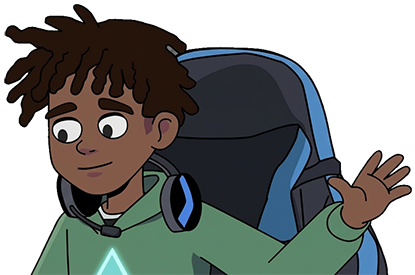
If you’ve seen Adolescence on Netflix, you know the manosphere refers to online spaces shaping how boys view themselves, masculinity, relationships, and sexuality. The five videos and accompanying resources below will help you as educators and caregivers intervene in a way that doesn’t turn boys off or make them shut their ears, but instead buys them in to build healthy identities and meaningful, respectful relationships. While the online content is often targeted to cisgender boys, the tactics we will learn apply to all genders, and seek to protect everyone from the harmful effects of the manosphere.
Gaming & Emotional Regulation
To have a positive impact on young people around gaming and mental health, it is imperative that adults see the benefits of gaming, and always lead any conversation or comment with that positivity. Gaming isn’t just about playing; it’s about belonging, achievement, self-discovery, collaboration, competition, creativity, and escape.
Loneliness
Teen loneliness is a growing crisis, and for young men, this isolation is often compounded by strict gender norms. Boys face immense pressure to “be tough” and avoid expressing their feelings, which stops them from building the close bonds necessary to combat loneliness. Many are turning to the internet for answers. Unfortunately, social media platforms are designed to be addictive, and boys are frequently targeted by “manosphere” influencers. These creators monetize anger by telling young men that feminism, women, or “modern dating” are to blame for their isolation.
Boys and Dating
Young boys are regularly exposed to online content about dating in heterosexual relationships, often from the “Manosphere”. Because boys are genuinely curious about how to navigate attraction, this advice fills a gap, but it promotes harmful masculinity norms centered around strength, power, toughness, sexual conquest, and hypersexuality. It teaches boys that dominance and status are more attractive than kindness and connection, and that emotional vulnerability is a weakness.
LooksMaxxing
There is nothing wrong with looking online for tips and tricks about fitness, hair, fashion, skincare, health, and confidence. But it’s important to spot the difference between good, healthy tips that work for teenagers, versus scams by influencers who use shame to increase their anxiety and make money. Families and youth-serving professionals should be aware of how quickly algorithms can start to deliver harmful, shaming videos to young people. If you notice young people who have become hyperfocused on their appearance, try to guide them towards a school-based resource like a sport, club, or fitness program where they will work with coaches, P.E. teachers and real-life professionals. You cannot remove the influence of the internet, but the more you can move them into real-life human interactions, the healthier they will be.
Deepfakes or AI-Generated Nudes
As AI technology becomes more accessible, many students encounter “undressing apps” through social media advertisements without ever seeking them out. It is essential to help youth recognize that digital harm is a serious violation of a peer’s dignity. Using someone’s image without their consent—especially to create a “nudified” version—is a violation of their body and a form of sexual violence. The reason “deepfakes” aren’t really fake is that they cause long-lasting emotional harm, including feelings of shame, fear, and a loss of safety for the person depicted. It can also follow them around for the rest of their life. There are real long-lasting consequences for the person creating the AI nude too. Not only do schools suspend or even expel students who create them, but laws make it illegal to generate a naked picture without someone’s consent too. Many times, the police get involved. And if the person depicted in the image is under 18, then the crime is often treated like child pornography, which comes with even harsher punishment.